
2026-08-24 · Alex
Rekeying Locks in Pre-War Walk-Ups on the Upper West Side
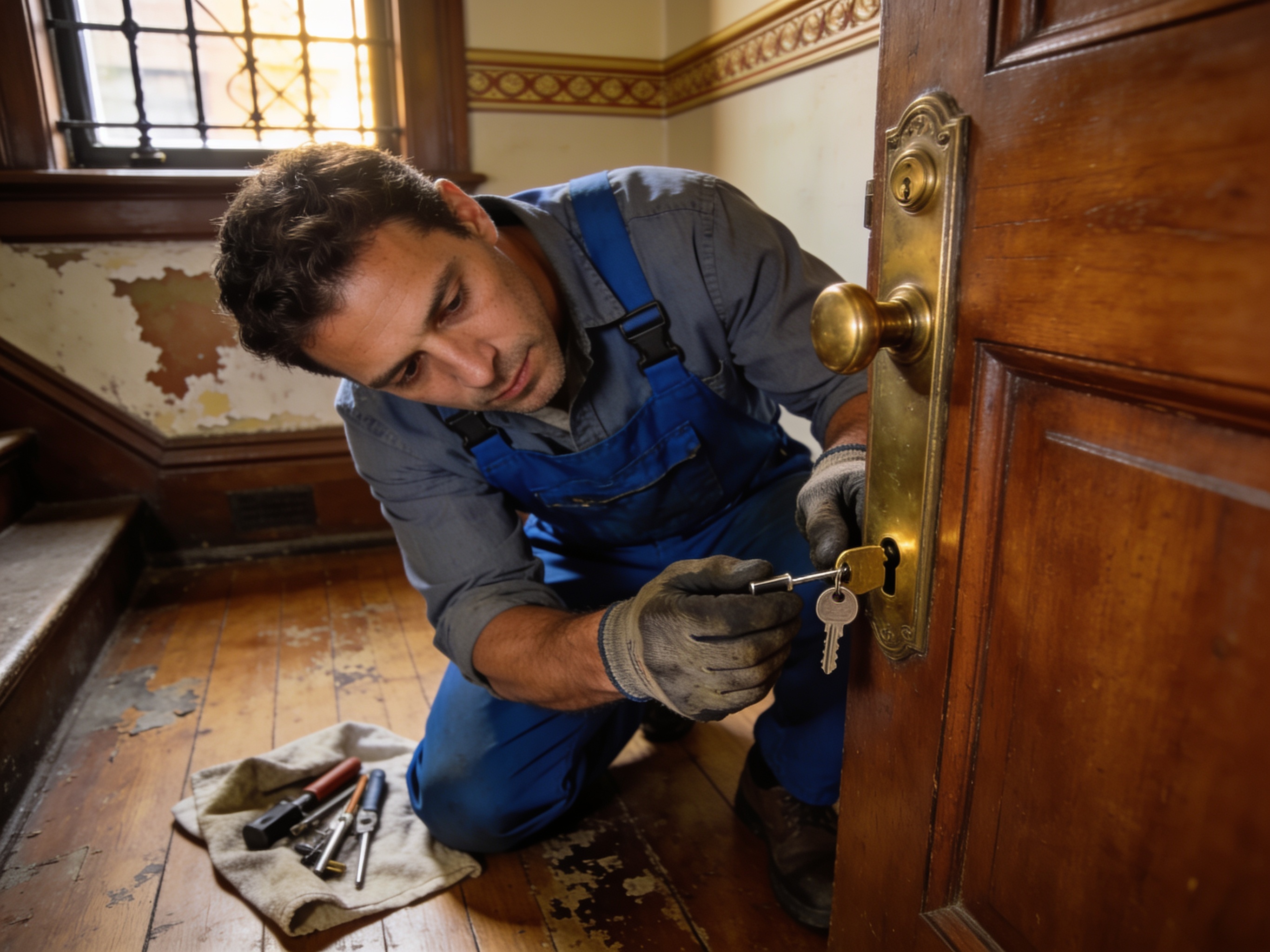
Rekeying locks in pre-war walk-ups on the Upper West Side typically takes 45 to 90 minutes per apartment when cylinders are accessible and no broken keys are present. These buildings, built before 1940 across Manhattan and New York County, often feature original mortise locks or rim cylinders that demand careful pin matching rather than full replacement.
Typical Lock Hardware in Upper West Side Pre-War Buildings
Pre-war walk-ups on the Upper West Side near Central Park frequently retain original brass mortise locks or Yale-style rim cylinders installed decades ago. These mechanisms sit in thick wood doors that have settled over time, creating slight misalignments that complicate standard rekey kits. Technicians must often remove the entire cylinder from the door edge instead of working through the keyway. In buildings with five to seven stories and no elevators, carrying a full tool kit up narrow stairwells adds time compared to newer high-rises. Nearby neighborhoods in the Bronx and Brooklyn show similar patterns, but Upper West Side stock tends toward heavier cast-iron components that resist modern pinning tools.
Seasonal Factors Affecting Cylinders
New York’s humid subtropical climate produces hot, humid summers followed by cold winters that directly impact lock function. During winter months, temperature swings cause metal contraction that can bind pins inside older cylinders, making rekeying more precise work. Moisture from summer humidity accelerates corrosion on brass components common in pre-war doors. Residents near Times Square or the Empire State Building report increased service calls after freeze-thaw cycles when tenants notice keys sticking. Linking rekeying visits to these patterns helps property managers schedule before the first hard freeze.
Step-by-Step Rekey Process for Aged Hardware
Begin by confirming the existing keyway type, usually a standard five- or six-pin configuration in these buildings. Remove the cylinder using a specialized spanner wrench to avoid damaging the door face. Match new pins to the customer’s chosen key bitting while accounting for any wear grooves already present in the cylinder walls. Test the new key multiple times before reinstalling to ensure smooth operation on the settled door. For buildings with multiple units, document each rekey so future master key needs remain compatible without full system overhaul.
When to Combine Rekeying With Repair
If the cylinder shows deep wear or the bolt throws unevenly due to warped frames, pair rekeying with targeted repairs instead of proceeding alone. Lock rekeying remains the core service, yet lock repair service addresses binding springs or stripped screws that appear often in pre-war stock. This approach prevents callbacks during peak winter months when frozen mechanisms become common across Manhattan.
Planning Rekeying Visits in Walk-Ups
Schedule appointments during daylight hours when possible to navigate stairwells safely with equipment. Upper West Side buildings often have limited hallway lighting and tight landings that restrict workspace. Keep a compact pin kit and portable work light on hand. Property managers coordinating multiple units can arrange sequential access to reduce repeated trips up the same flights of stairs. For after-hours needs, the 24/7 operation at 554 W 50th St supports emergency rekey requests without long delays.